How to Grocery Shop Smartly on a Fixed Monthly Budget

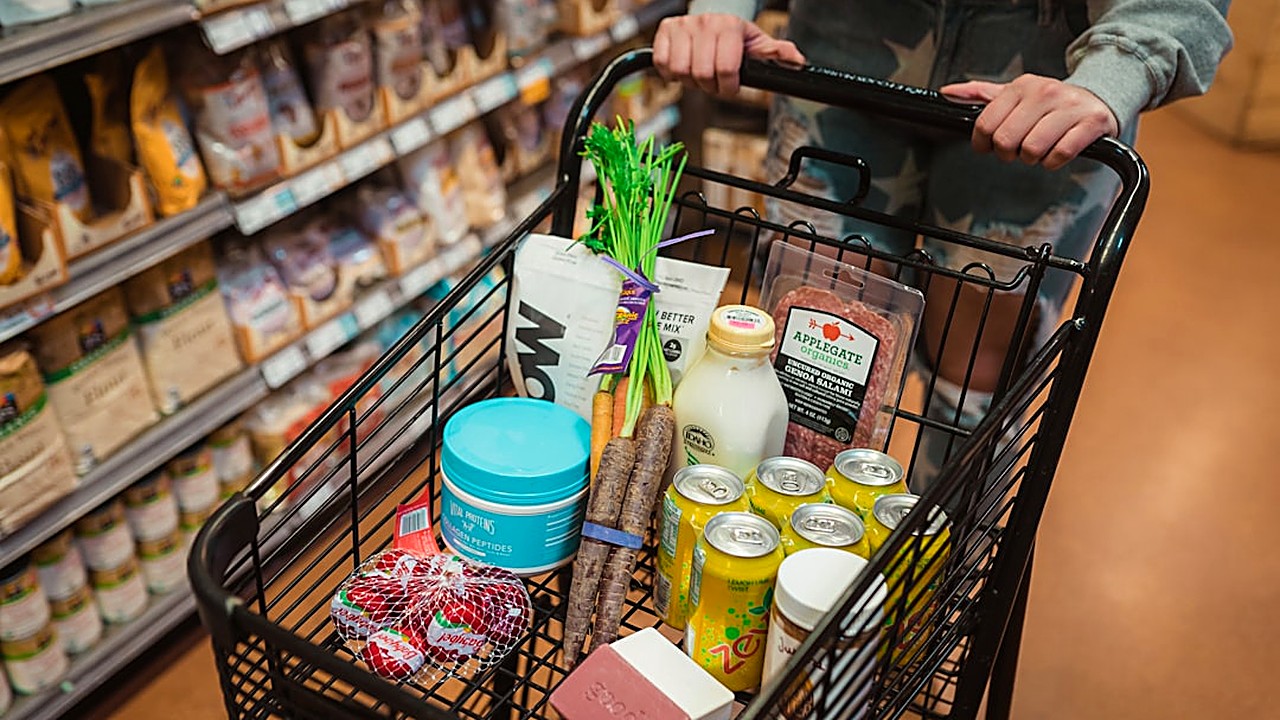
Quick answer: Stretch your grocery budget by planning meals around sales, buying in bulk, and prioritizing versatile staples. Track spending weekly, avoid impulse buys, and cook from scratch. Small changes add up to big savings without sacrificing quality.↗ Share on X
The Real Cost of Grocery Shopping
 11 Real Ways to Cut Monthly Expenses and Save Fast →
 11 Signs You Are Cutting Monthly Expenses the Wrong Way →
 Master Daily Spending with the Cash Envelope Method →
Grocery bills sneak up fast. One forgotten "just this once" snack or unplanned dinner out can erase weeks of careful budgeting. I learned this the hard way years ago when my partner and I tried to live on a single income while paying off debt. We thought we were doing well—until we reviewed our spending and found $300 a month disappearing into "miscellaneous" grocery items. That’s when we realized: smart grocery shopping isn’t about deprivation. It’s about strategy.
The average American household spends over $8,000 annually on groceries, according to USDA data. But families on tight budgets often cut corners by buying cheaper, less nutritious foods—or worse, skipping meals. Neither approach is sustainable. The key is working *with* your budget, not against it. Start by tracking every dollar spent for a month. You’ll spot patterns: the $5 impulse buys at checkout, the half-used spices forgotten in the cabinet, the fresh herbs that wilted before we used them. Awareness alone can save $20–$50 monthly.
Clear money tips in your inbox. No hype.
Plan Meals Around What’s on Sale
Affiliate link. We may earn a commission on purchases, at no extra cost to you.
This content is informational and is not investment advice or financial consulting.
Meal planning isn’t about rigid recipes. It’s about flexibility. Begin by scanning weekly store flyers (digital or paper) and note proteins and produce with the best prices. Chicken thighs often cost less per pound than breasts. Ground turkey can replace beef in tacos. Frozen berries are cheaper than fresh and last months. Build meals around these bargains.
I once planned a week of dinners around a sale on pork shoulder. Pulled pork sandwiches, tacos, and soup stretched that single cut into five meals. The total cost? About $12 for the meat—feeding two adults and a teenager for days. Contrast that with $30 for pre-marinated, pre-cut chicken strips. The savings weren’t in skipping meals. They were in rethinking how we used ingredients.
Use the "plate method" to balance meals: half vegetables (fresh or frozen), a quarter protein, a quarter whole grains. This keeps portions controlled and nutrients high. It also prevents the "I don’t know what to make" paralysis that leads to takeout.
Master the Art of the Pantry Staple
 How to Build a Monthly Budget in One Hour This Weekend →
 Rent Went Up? How to Rebuild Your Budget in One Hour →
 Audit Your Utility Bills: Find the Charges You Can Cut →
A well-stocked pantry turns emergency takeout nights into home-cooked meals. Focus on versatile, long-lasting staples that form the backbone of many dishes:
- Rice and beans — $1 per pound or less. Cook a big batch on Sunday. Use in burrito bowls, soups, or as a side.
- Pasta — Buy store brand. A $1 box feeds four.
- Canned tomatoes — Base for sauces, chili, or stews.
- Oats — Breakfast or binder for meatloaf.
- Bulk spices — A $2 jar of cumin lasts years. Fresh herbs? Skip them unless you’ll use them immediately.
The trick is rotating stock. Place new purchases behind old ones. Use the oldest first. This prevents waste and ensures you always have something on hand.
I keep a running list on the fridge. When we’re down to one can of beans, I add it to the list. No more last-minute trips for a single item—and no more buying duplicates we already have.
Shop Strategically: Stores, Timing, and Tactics
Not all stores are equal. A discount grocer like Aldi or a warehouse club like Costco can save 20–30% compared to traditional supermarkets. But don’t assume bigger is always better. A family of two doesn’t need a 40-pound bag of rice. Split bulk items with a friend or neighbor to avoid spoilage.
Shop mid-week. Stores mark down perishables like meat and bakery items on Tuesdays and Wednesdays. Ask an employee when discounts happen. I once saved $15 on a whole chicken by arriving at 7 PM on a Wednesday—right as the meat department started markdowns.
Avoid the perimeter of the store. That’s where fresh produce, meat, and dairy live. The inner aisles? Packaged snacks, frozen meals, and convenience foods. These are designed to trigger impulse buys. Stick to your list. If it’s not on the list, don’t put it in the cart.
Use cash or a prepaid debit card loaded with your grocery budget. When the money’s gone, shopping stops. This simple psychological barrier prevents overspending better than any app.
Cook in Batches and Repurpose Leftovers
Cooking from scratch saves money. A homemade pot of chili costs about $8 to feed six. The same amount in canned chili? $12. But cooking in bulk only works if you actually eat the leftovers.
Turn last night’s roast chicken into today’s chicken fried rice. Use extra rice and veggies. Repurposing isn’t about eating the same meal twice. It’s about transforming ingredients into something new.
I batch-cook grains and proteins on Sundays. A big pot of quinoa becomes salad bowls all week. Shredded chicken goes into tacos, soups, or wraps. This cuts weekday cooking time to 15 minutes—and keeps us from ordering pizza.
Label leftovers with dates. Most cooked foods last 3–4 days in the fridge. Freeze extras if you won’t eat them in time. A freezer is a budget’s best friend.
Avoid the Traps That Drain Your Budget
Grocery stores are designed to make you spend more. Endcaps, checkout aisles, and "buy one get one" signs trigger impulse buys. Stick to your list. If it’s not on the list, it’s not a need.
Beware of "family size" packaging. It’s often not cheaper per unit. Compare unit prices on the shelf tag. A 16-ounce bag of pasta might cost $2.50. An 8-ounce bag? $1.75. The smaller bag is actually cheaper per ounce. Don’t assume bigger is better.
Skip pre-cut fruits and vegetables. A whole watermelon costs $4 and yields 8 cups of fruit. Pre-cut watermelon? $6 for 4 cups. The math is brutal.
And resist the siren call of the bakery section. Fresh bread stales fast. A $3 loaf of artisanal bread is gone in two days. A $2 loaf of store brand lasts a week. Freeze half immediately.
Track Spending and Adjust Weekly
Budgeting isn’t set-and-forget. Review your grocery spending weekly. Compare actual costs to your target. If you’re overspending, identify where. Was it a sale that tempted you into buying extra? A forgotten item that led to takeout? Adjust next week’s plan accordingly.
I use a simple spreadsheet. Columns for date, store, amount spent, and notes. After a few months, patterns emerge. We realized we were consistently overspending on snacks. So we switched to buying nuts in bulk and portioning them into reusable bags. The habit changed—and so did our spending.
When Budget Grocery Shopping Feels Impossible
Some weeks, even the best plans fall apart. A sick kid, an unexpected bill, or a flat tire can derail the tightest budget. That’s when creativity matters most.
Eggs are one of the cheapest protein sources. A dozen costs about $2 and can be scrambled, boiled, or baked into frittatas. Canned tuna, peanut butter, and lentils are other budget-friendly proteins. Pair them with rice, pasta, or potatoes for filling meals.
Soups and stews stretch small amounts of meat into meals for four. A $5 bag of carrots, a $3 onion, and a $2 chicken bouillon cube can become a pot of soup that feeds a family for days. Leftovers freeze well. Double the batch and save half for next week.
And don’t forget community resources. Food banks, local farms with gleaning programs, and church pantries can supplement groceries when needed. There’s no shame in asking for help—especially when it keeps food on the table.
FAQ
[
{
},
{
},
{
},
{
},
{
}
]
NOT a CFP, NOT a Registered Investment Advisor. Content is informational. Consult a licensed professional for specific financial or dietary decisions.
*NOT a CFP, NOT a Registered Investment Advisor. Content is informational. Consult licensed professional for specific decisions.*
Clear money tips in your inbox. No hype.
Educational content, not personalized financial advice. Sources cited where applicable.